

Tissue Repair
Tissue Repair and Recovery Peptides — United States
Grouping these compounds by outcome hides how differently they are proposed to work. BPC-157 is a synthetic 15-residue fragment of a gastric protein, studied largely around nitric-oxide signalling. TB-500 is a synthetic fragment of thymosin beta-4, studied around actin binding and cell migration. GHK-Cu is a copper-binding tripeptide whose literature sits in matrix remodelling and has almost nothing in common with the other two. KPV is a three-residue fragment of alpha-MSH.
So "tissue repair" is a shelf, not a mechanism, and each product page treats its compound's literature on its own terms.
Those literatures also differ in quality, and the pages say so. A large share of the published BPC-157 work traces to one research group and remains preclinical — a limitation the recent reviews state plainly. Each product page reports how many primary papers it cites, over what period, and whether they concentrate in a single group, so the evidence base can be weighed rather than assumed.
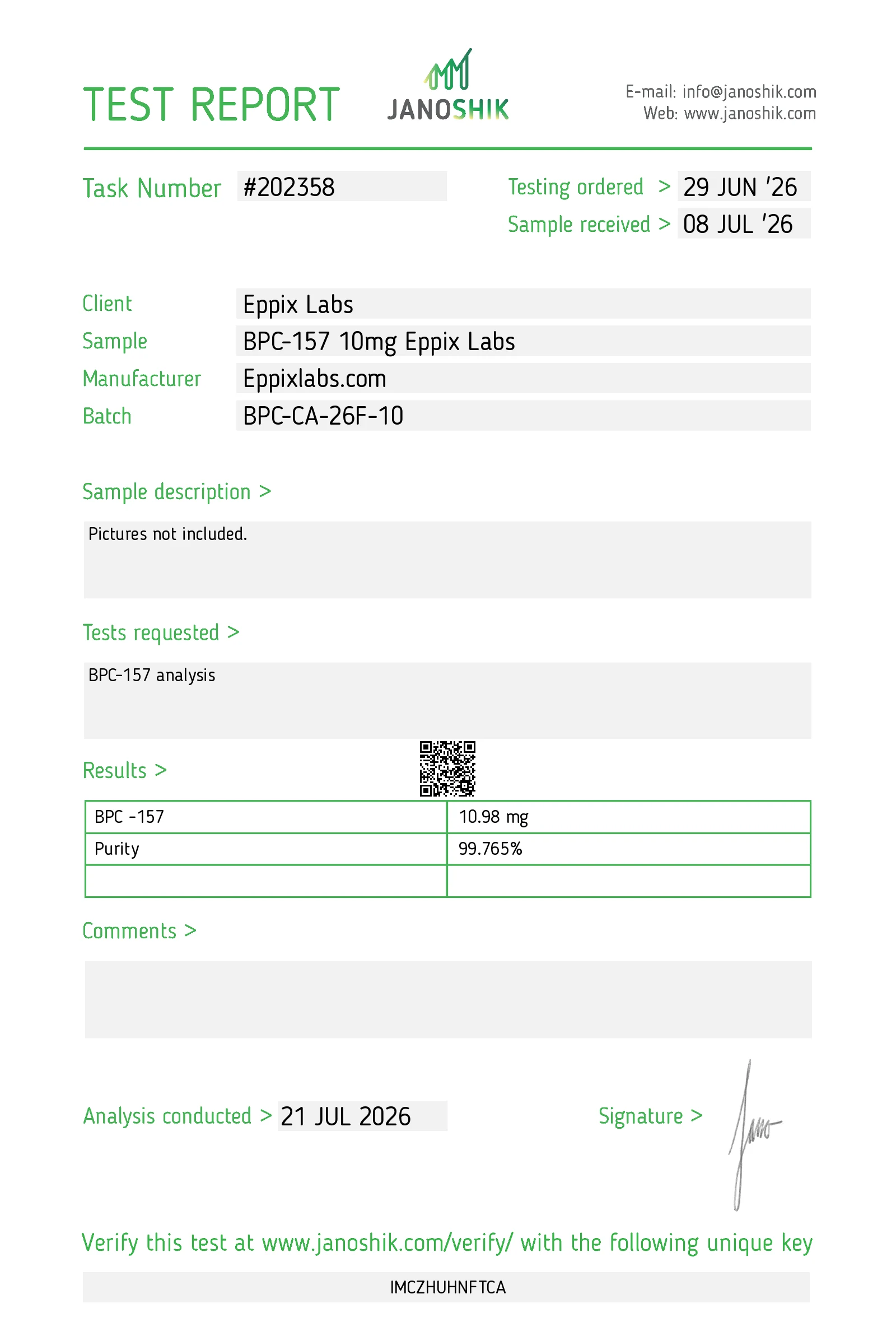
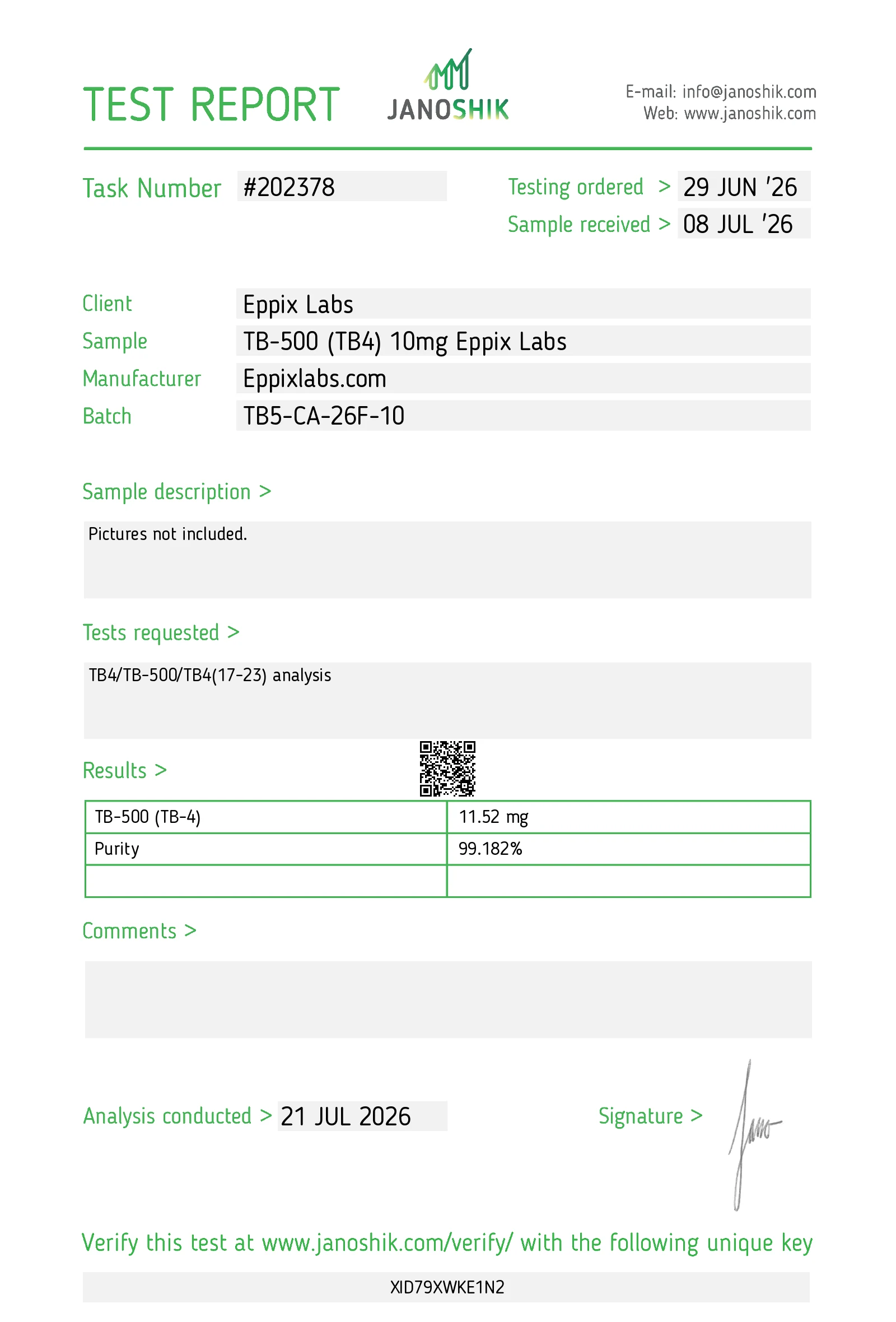
Every batch is independently assayed before release, with purity and measured content both published and tied to the lot code on the vial. Supplied strictly for in-vitro laboratory research, shipped domestically within the United States.
In this category: BPC-157 · TB-500 · KPV · GHK-Cu · IGF-1 LR3
15 products
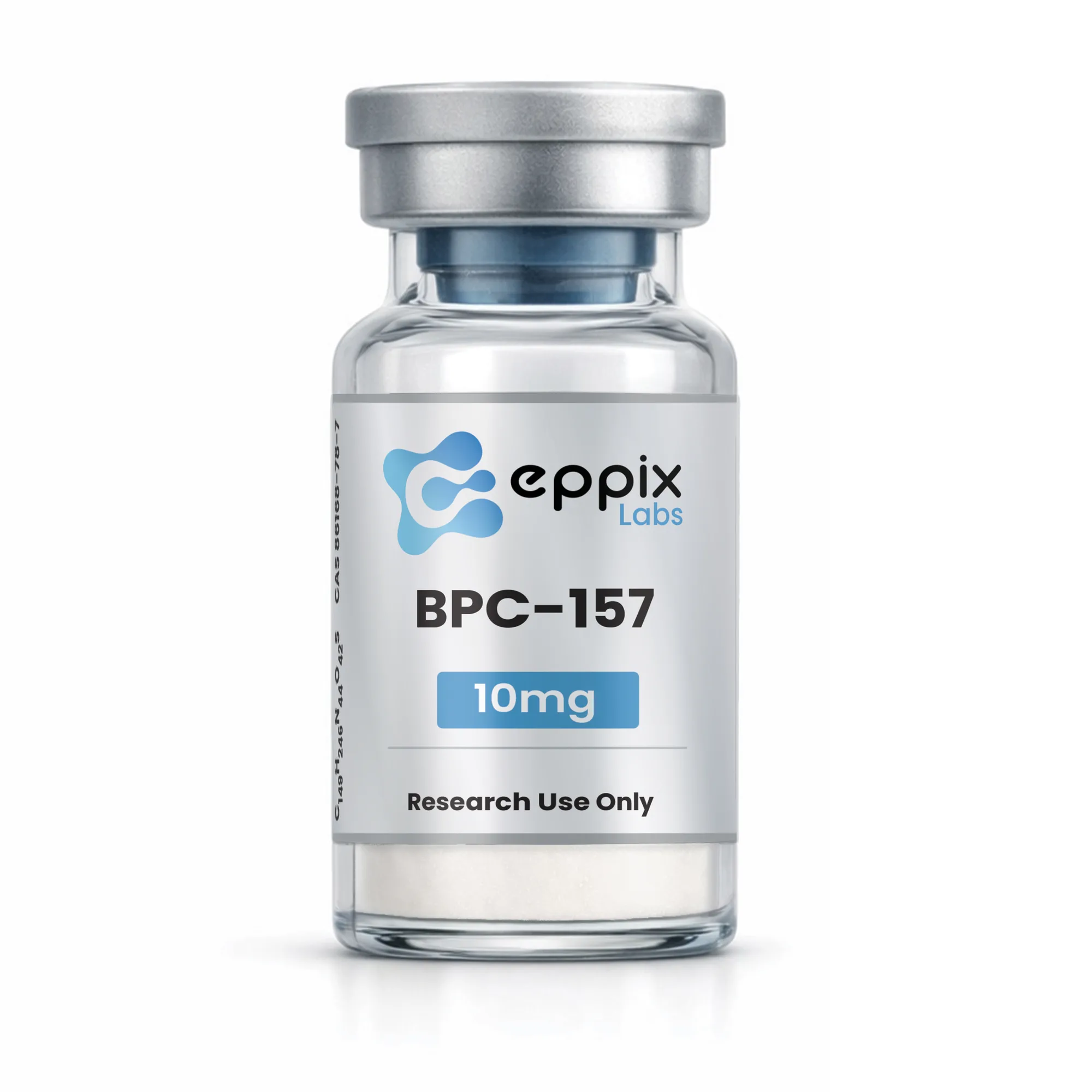
 10mg
10mgRecovery Compound BPC-157 is a synthetic peptide derived from a fragment of a naturally occurring gastric protein. It is produced for laboratory research and studied within controlled experimental environments.
From$49.99
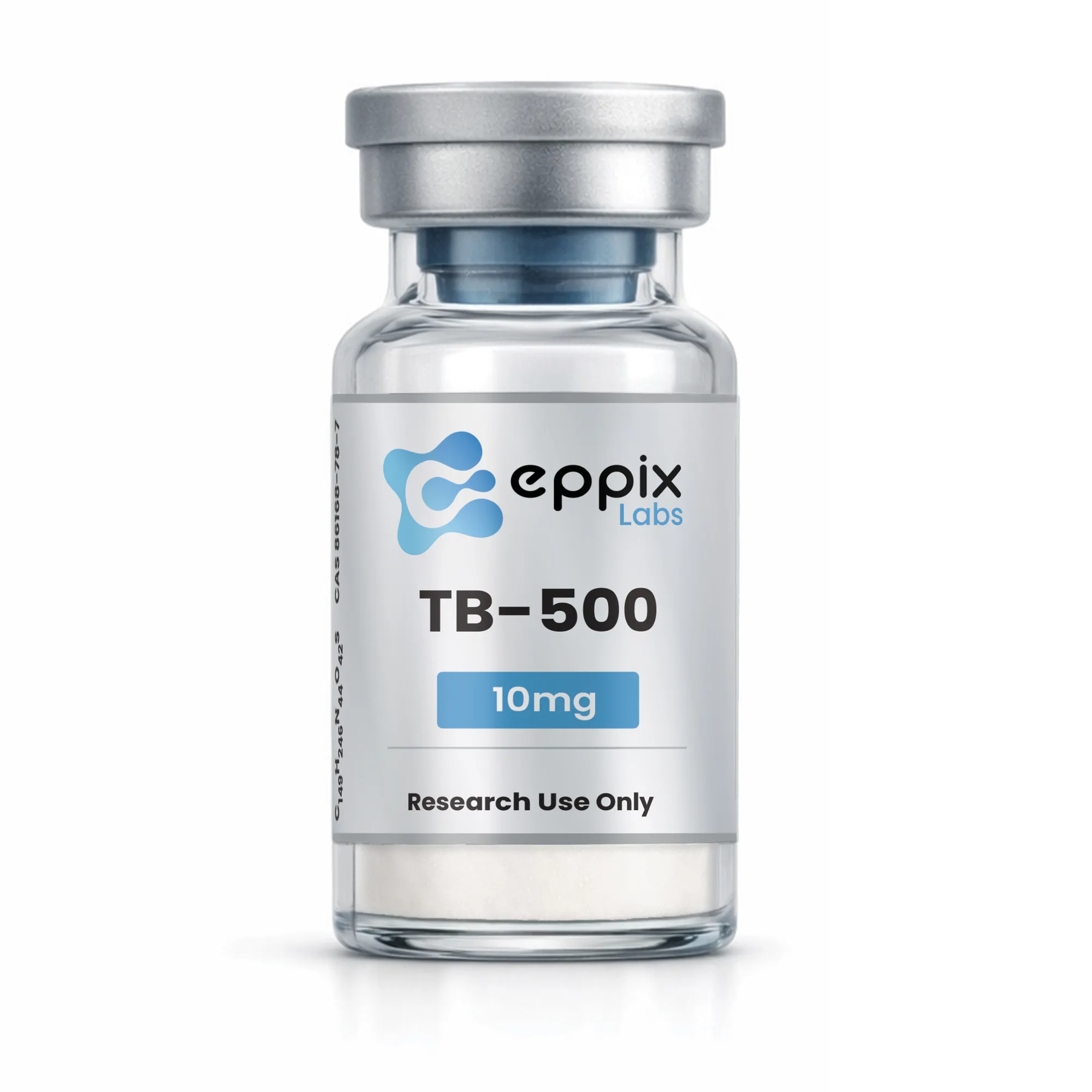
 10mg
10mgThymosin Beta-4 Fragment Research Peptide TB-500 is a synthetic research peptide modeled after thymosin beta-4, a naturally occurring peptide involved in cellular signaling processes. It is developed for controlled laboratory investigation within regulated experimental environments.
From$59.99
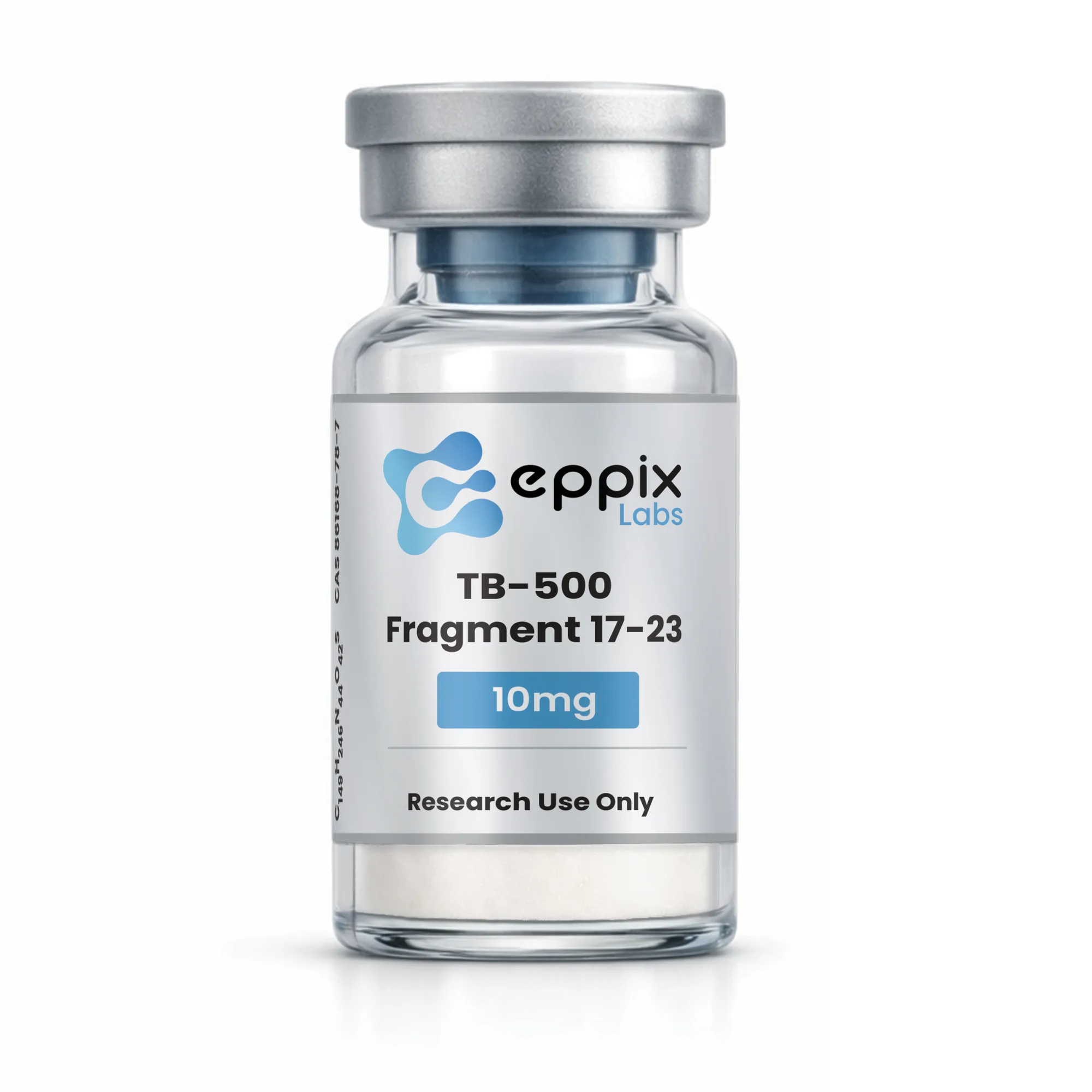
Thymosin Beta-4 Actin-Binding Fragment TB-500 Fragment 17-23 is the seven-residue actin-binding region of thymosin beta-4, studied in research on tissue repair and cell migration.
From$44.99
 10mg
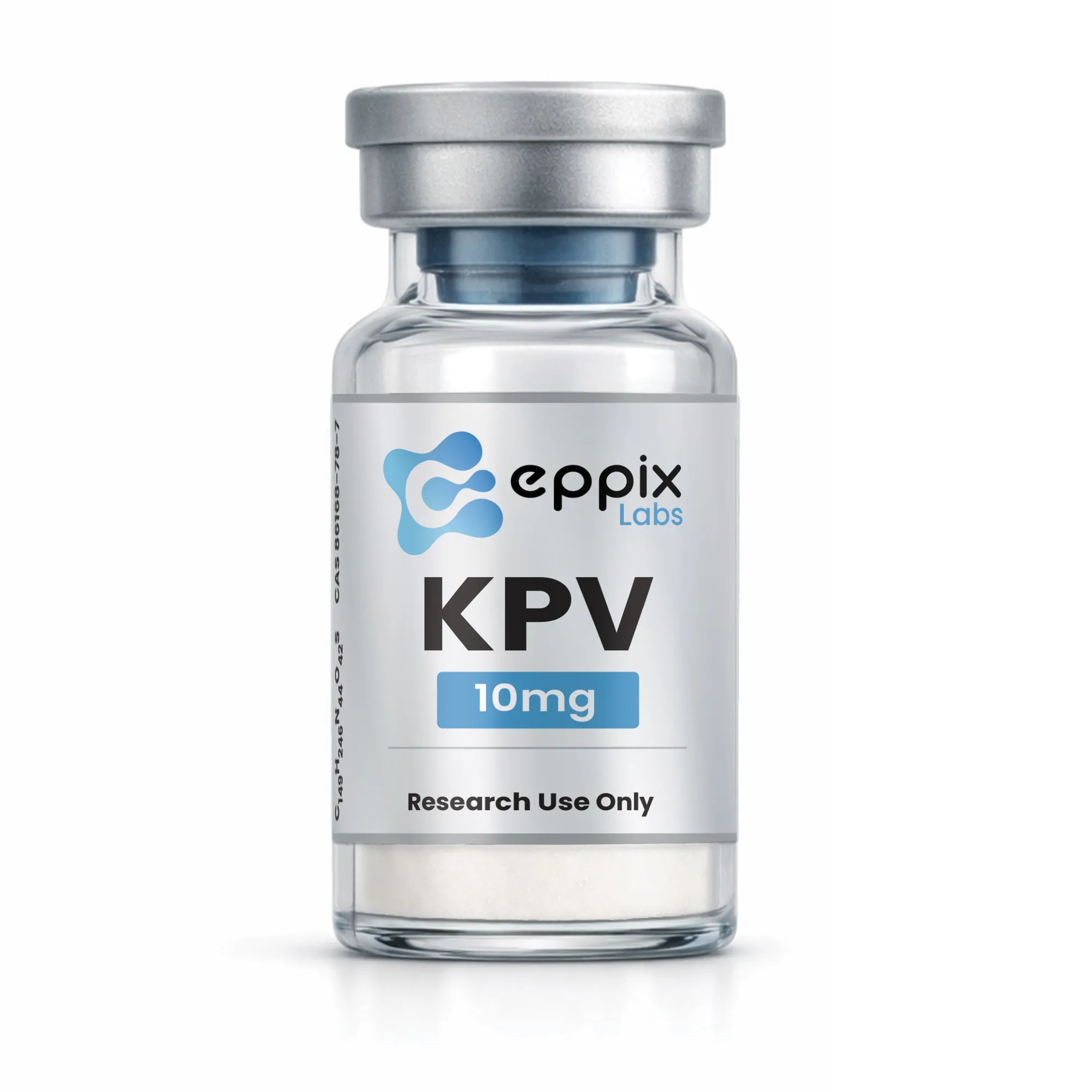
10mgTripeptide Research Compound KPV is a synthetic tripeptide composed of lysine–proline–valine and represents a fragment derived from the alpha-melanocyte–stimulating hormone (α-MSH) sequence. It is developed for controlled laboratory research involving peptide-mediated signaling systems.
From$49.99
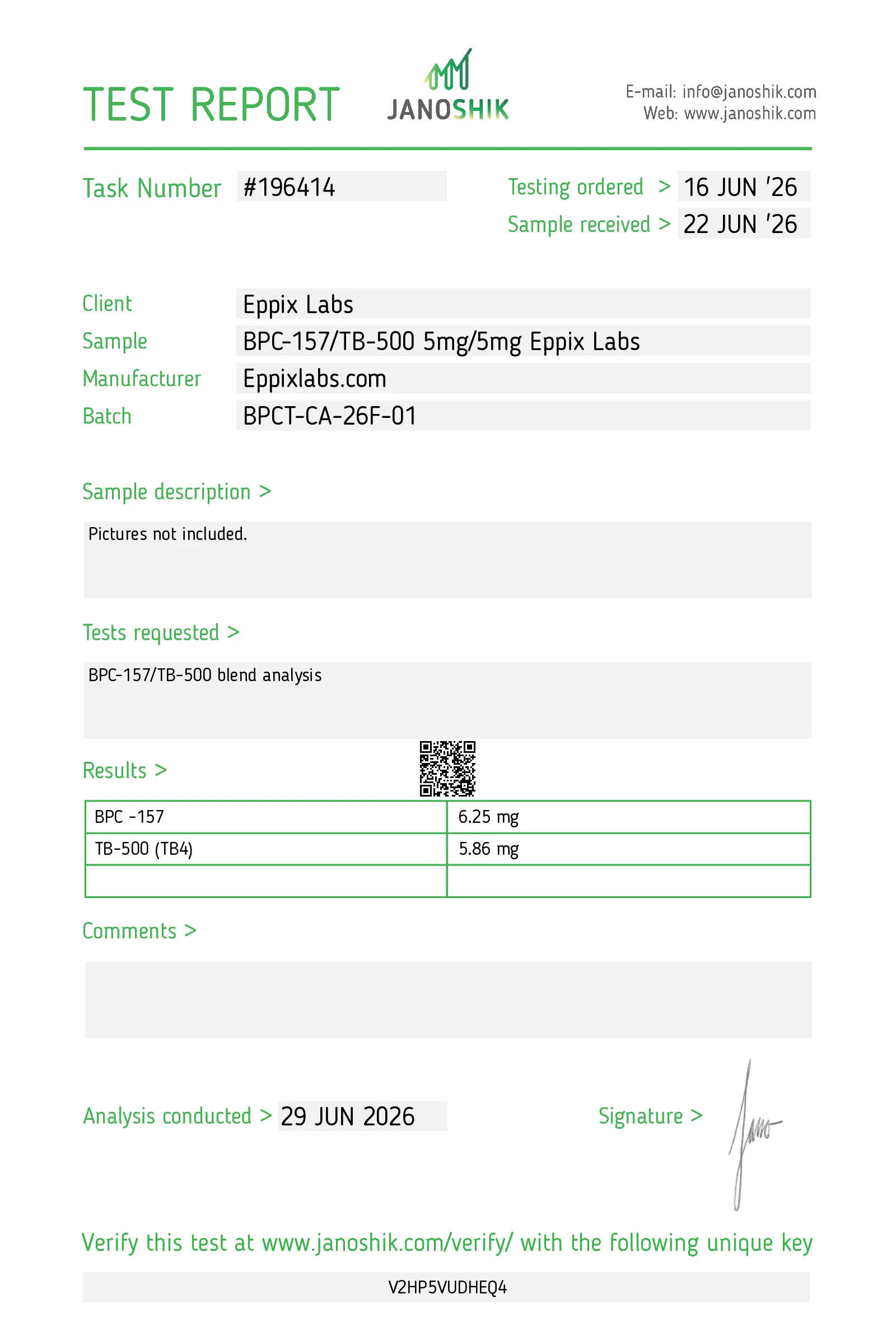 10mg
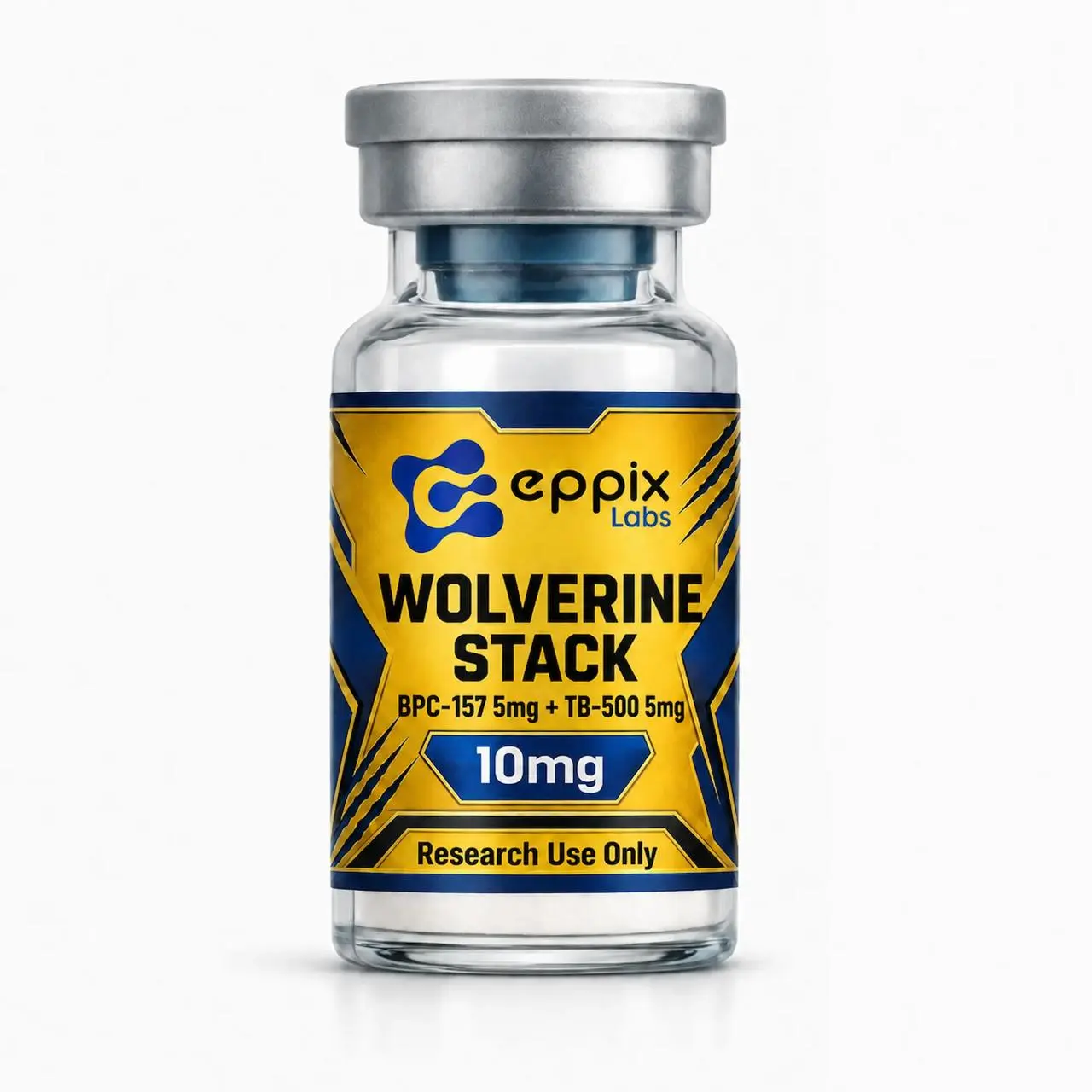
10mgRecovery Compound BPC-157 – TB-500 Blend, also known as the Wolverine Blend, is a dual-peptide research formulation combining BPC-157 and TB-500 in equal concentrations.
From$59.99
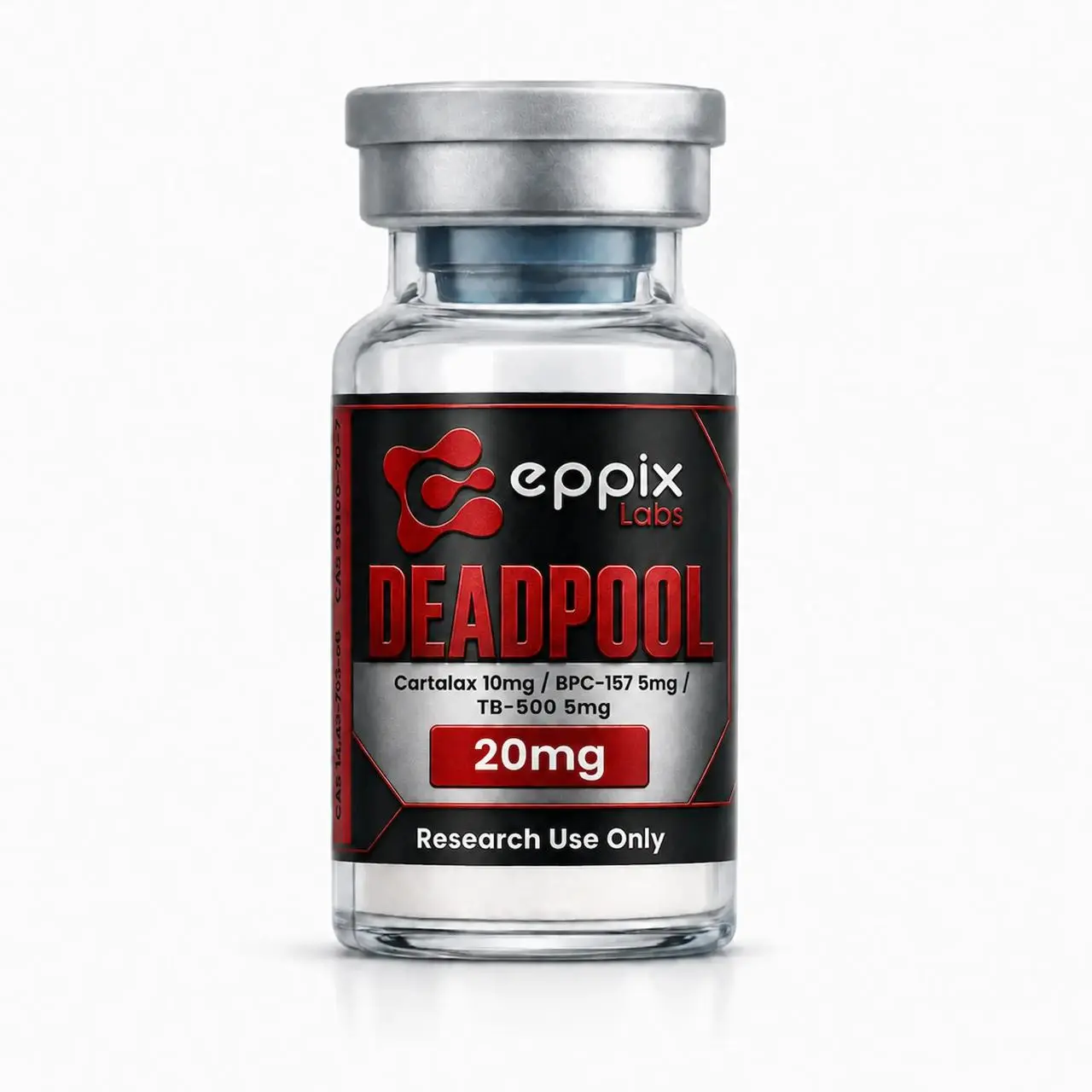
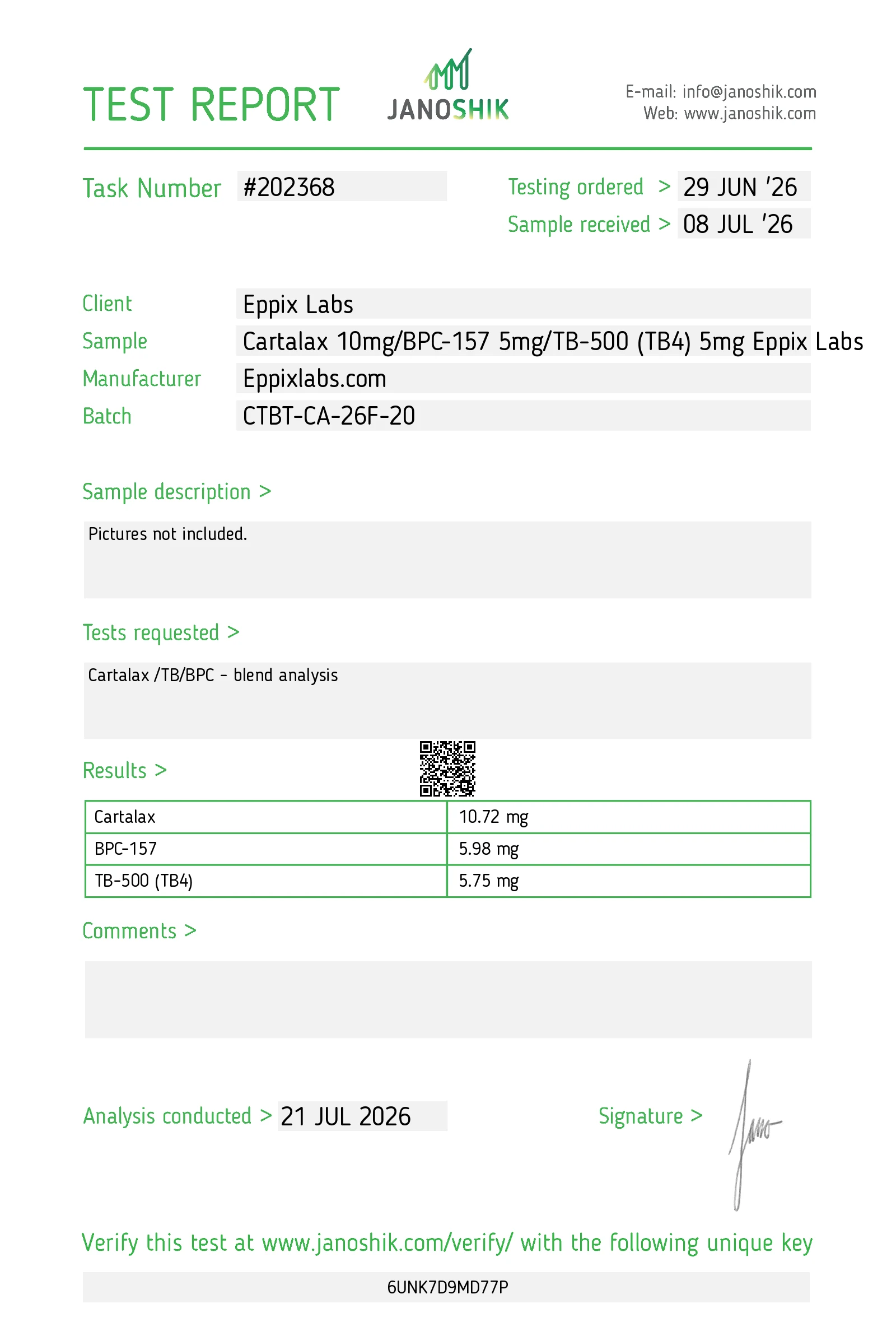 20mg
20mgRecovery Blend Wolverine+ is a research blend supplying cartalax, BPC-157, and TB-500 in a single vial.
From$99.99
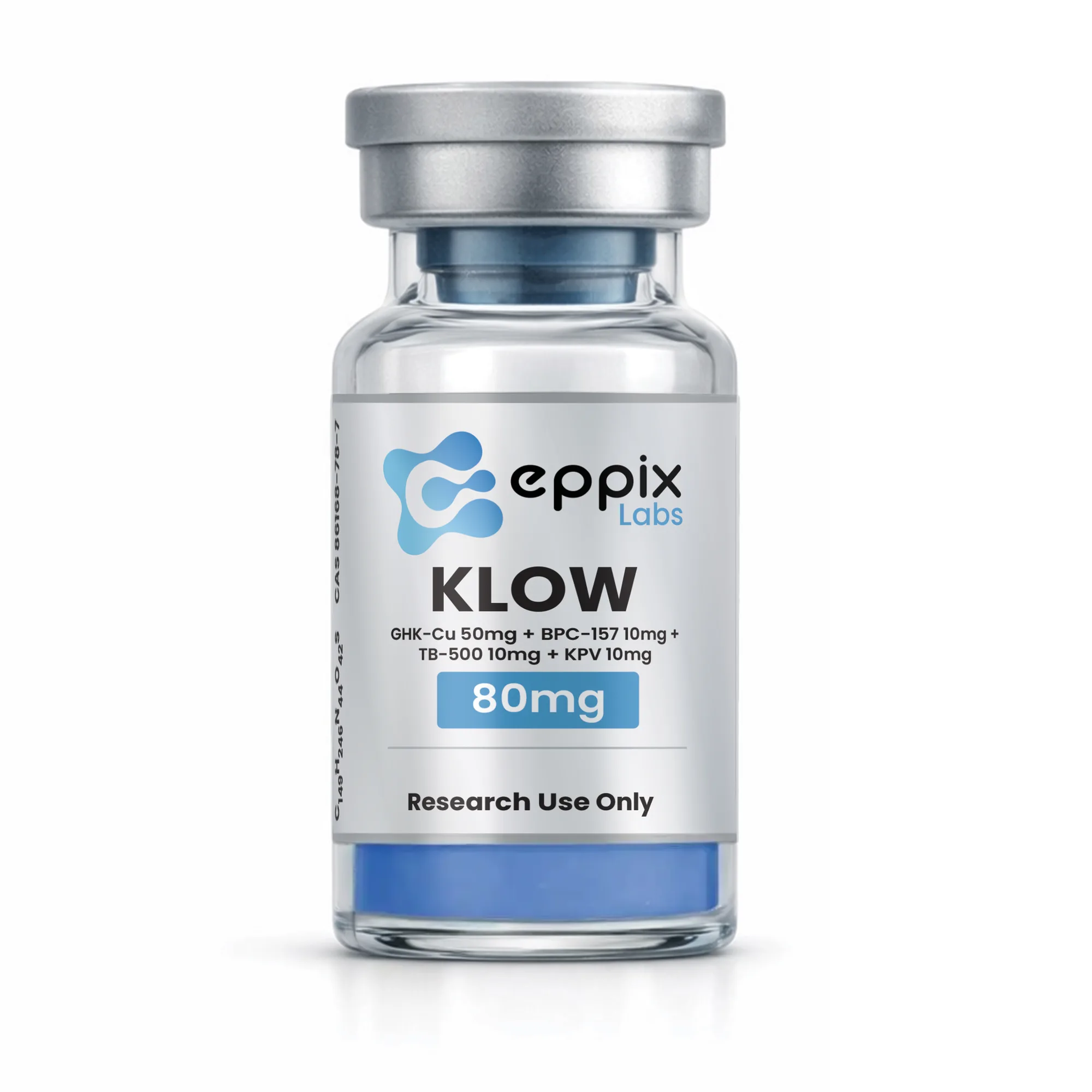
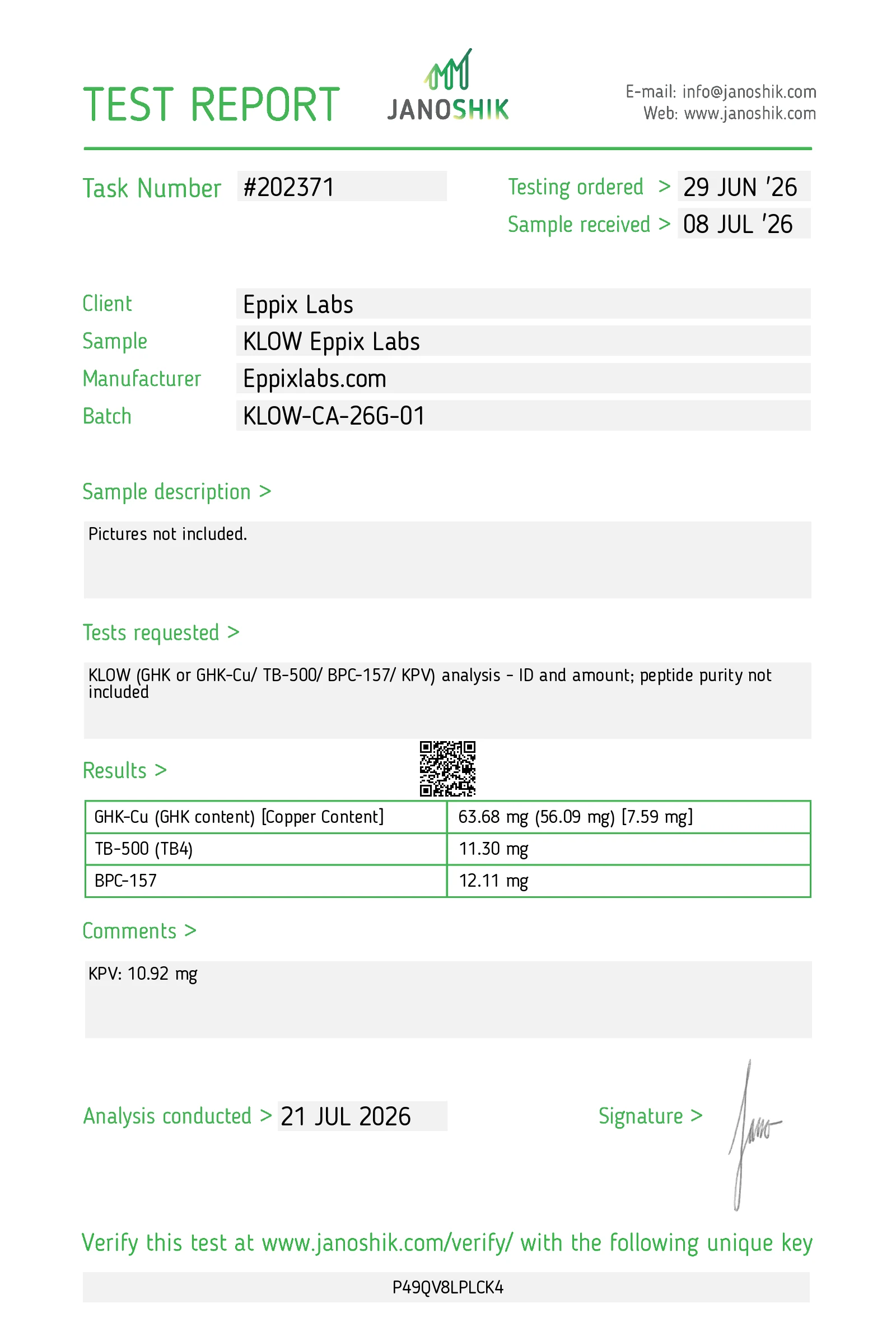 80mg
80mgMulti-Peptide Research Blend KLOW is a multi-peptide research blend integrating GHK-Cu, BPC-157, TB-500, and KPV into a unified formulation developed for controlled laboratory investigation.
From$124.99
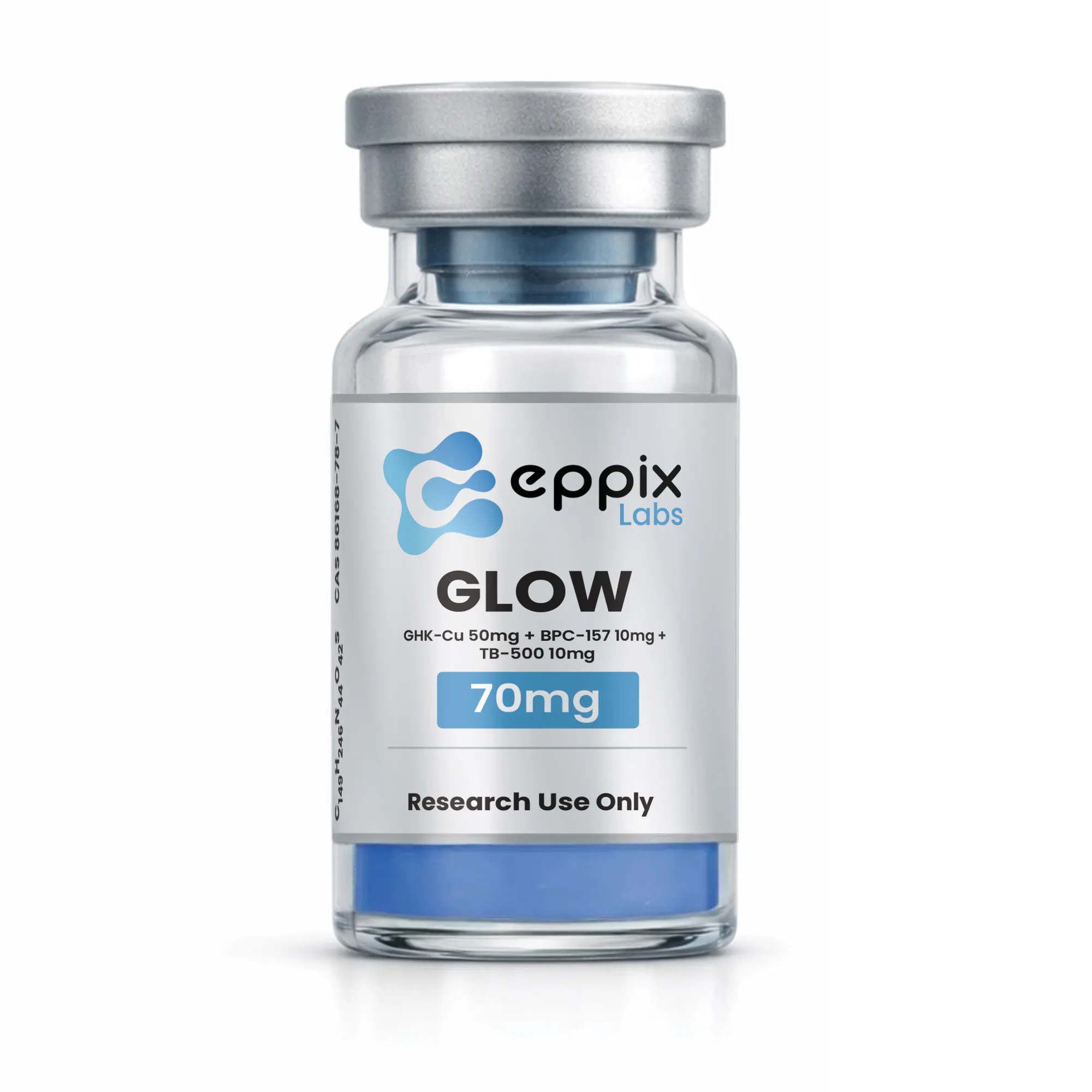
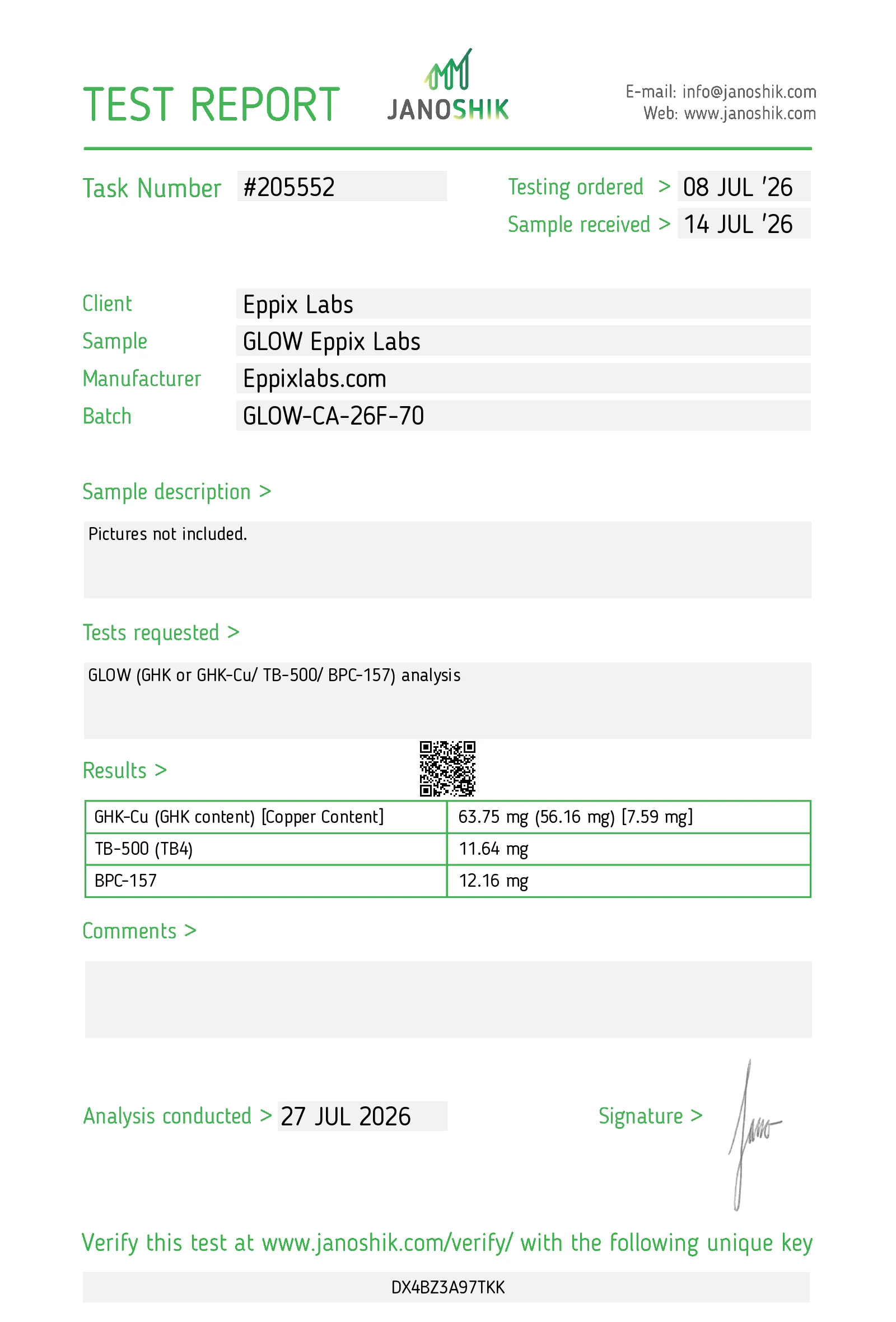 70mg
70mgMulti-Peptide Research Blend GLOW is a multi-peptide research blend formulated for controlled laboratory investigation. It integrates GHK-Cu, BPC-157, and TB-500 into a single experimental compound.
From$99.99
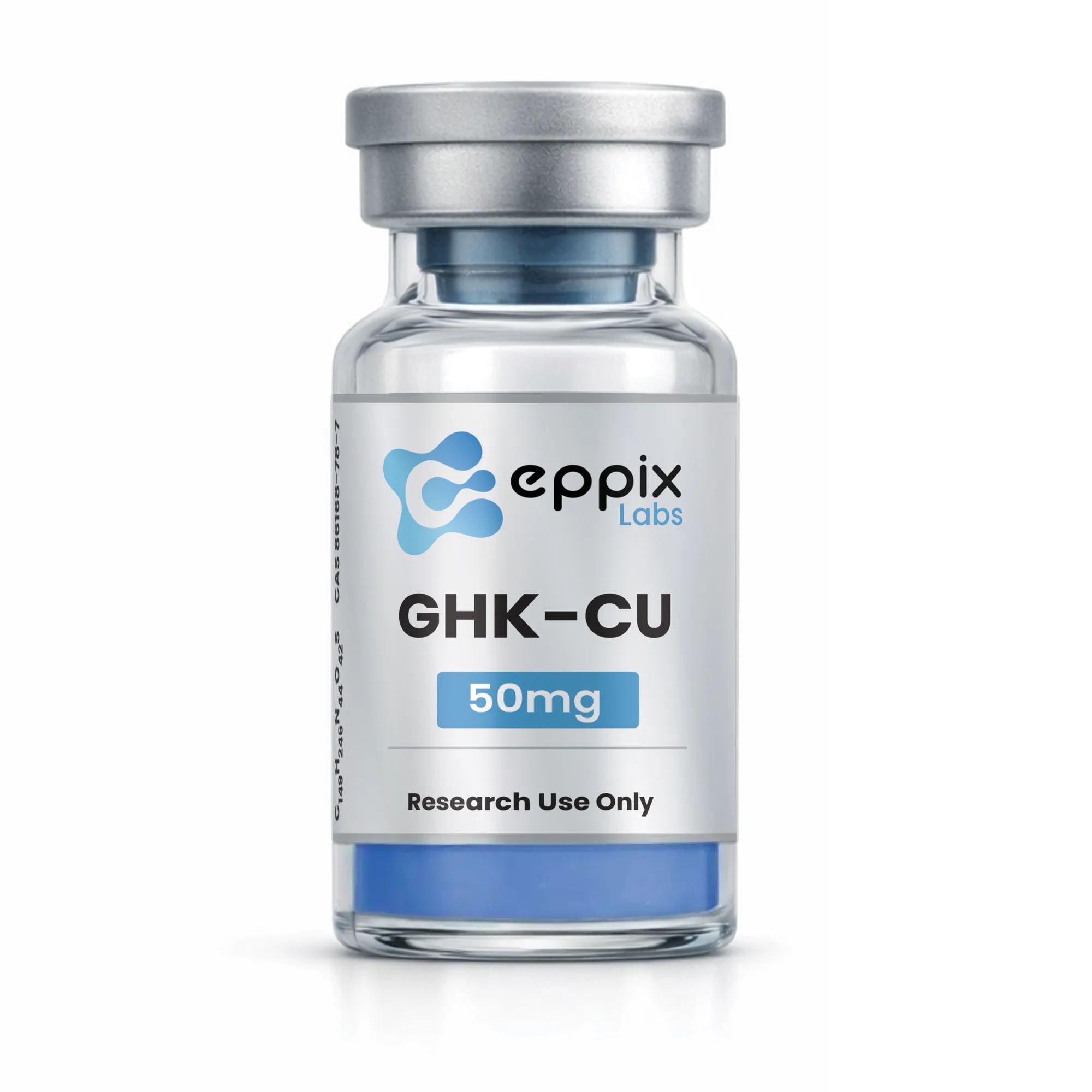
 50mg
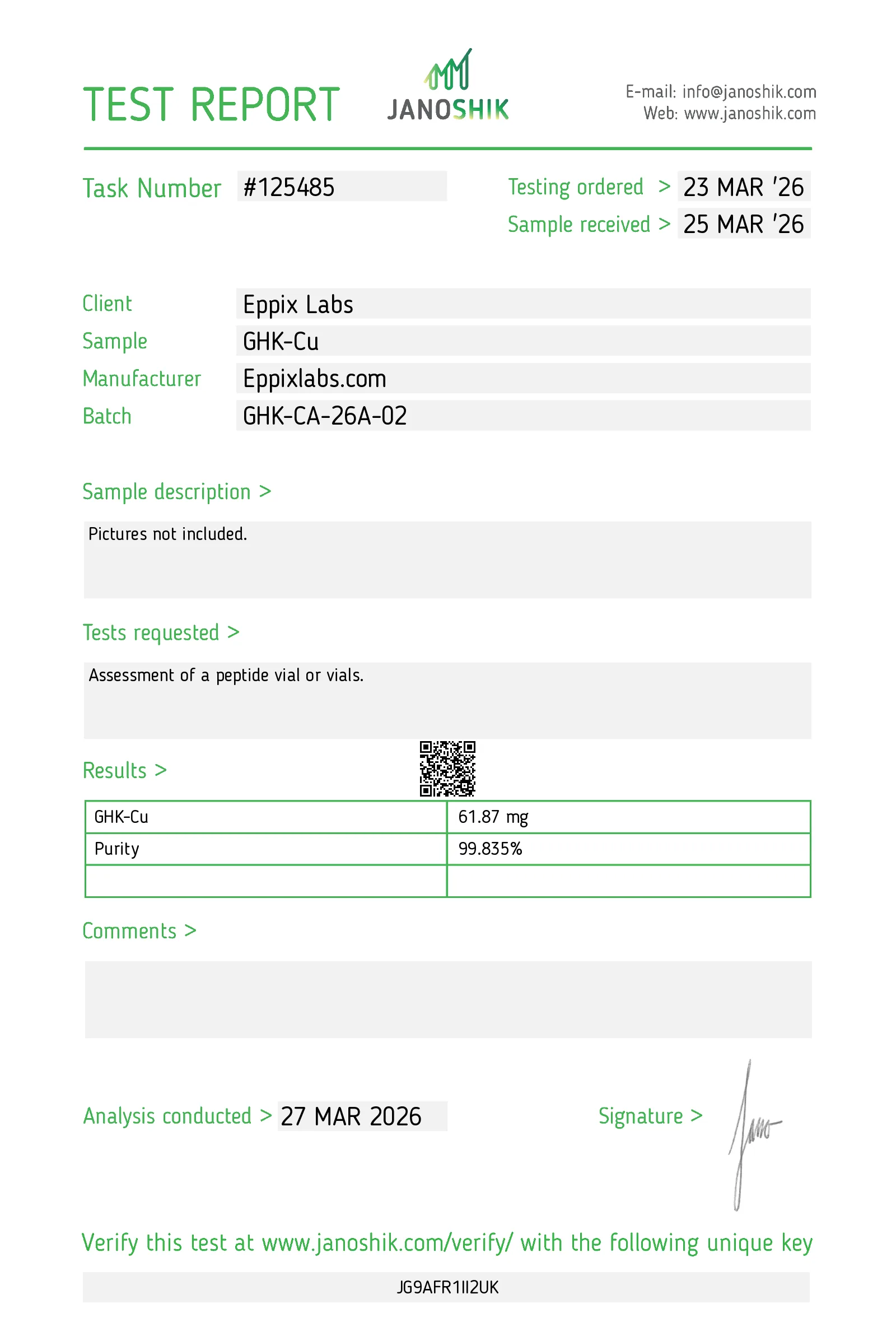
50mgCopper Peptide Research Compound GHK-Cu is a synthetic copper-binding tripeptide composed of glycine, histidine, and lysine complexed with copper ions. It is developed for controlled laboratory research involving peptide–metal interaction systems.
From$34.99
 1mg
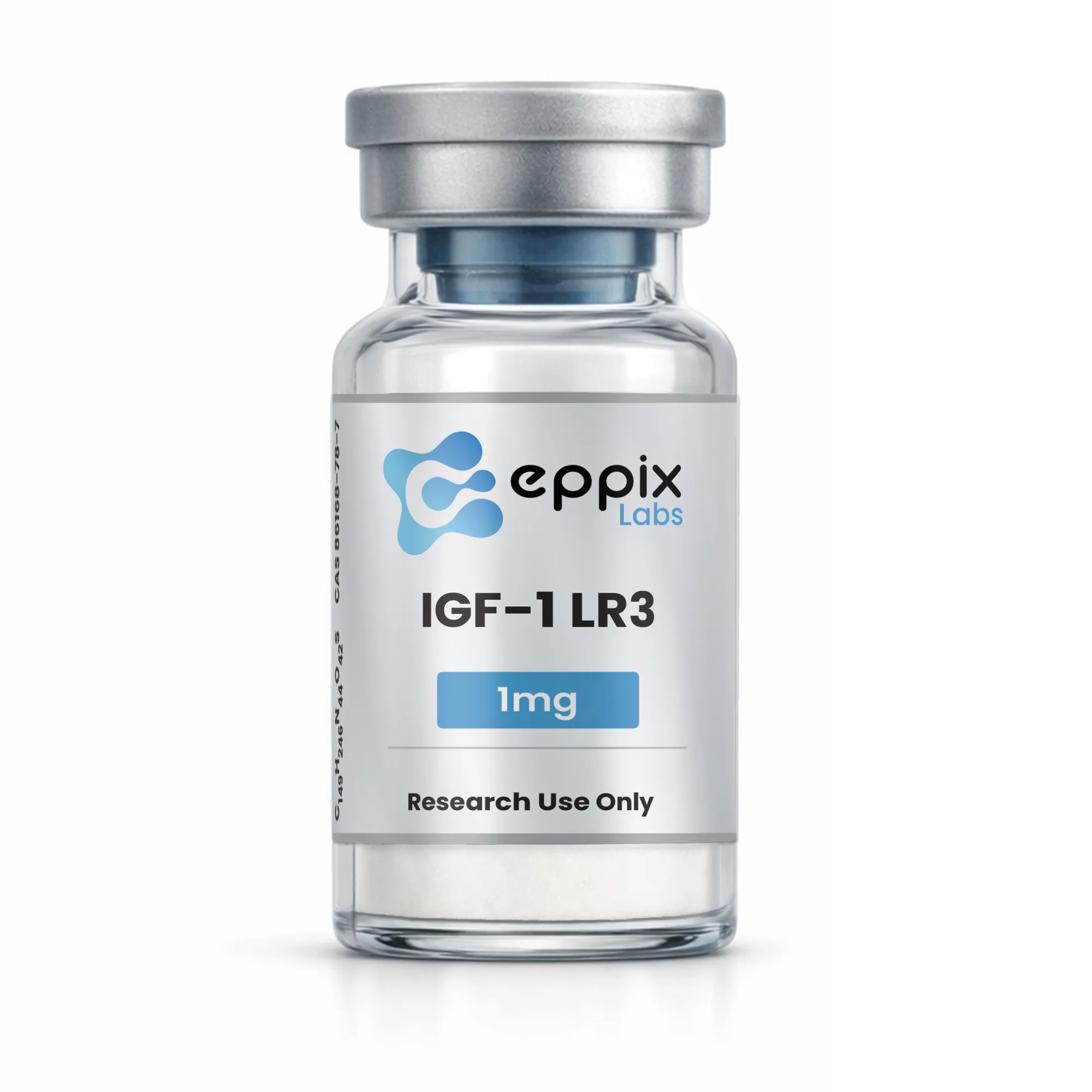
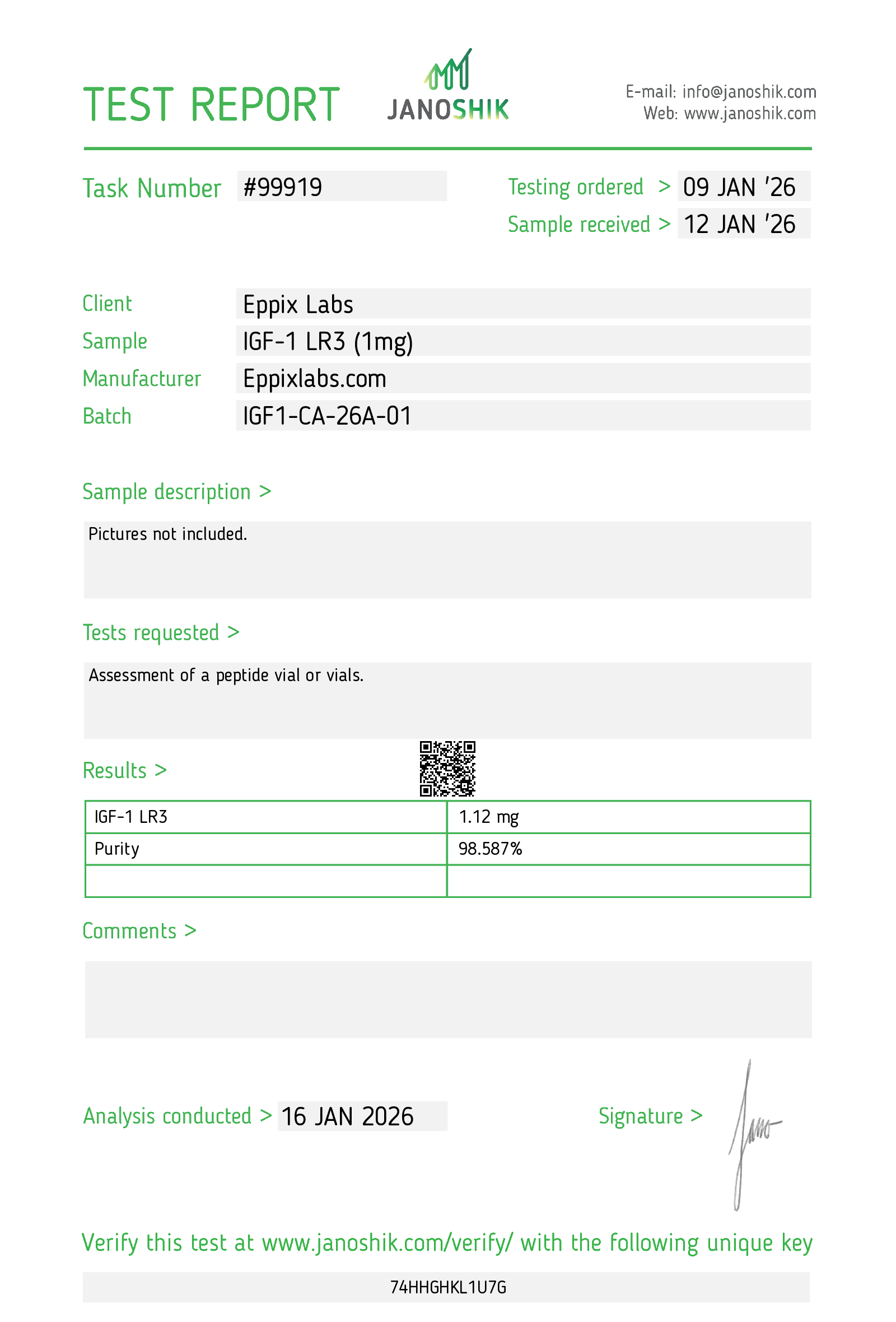
1mgLong-Acting IGF-1 Analogue IGF-1 LR3 is a synthetic analogue of insulin-like growth factor 1 (IGF-1) modified with an extended amino acid sequence to alter receptor interaction characteristics. It is developed for controlled laboratory research involving IGF-1 receptor signaling systems.
From$54.99
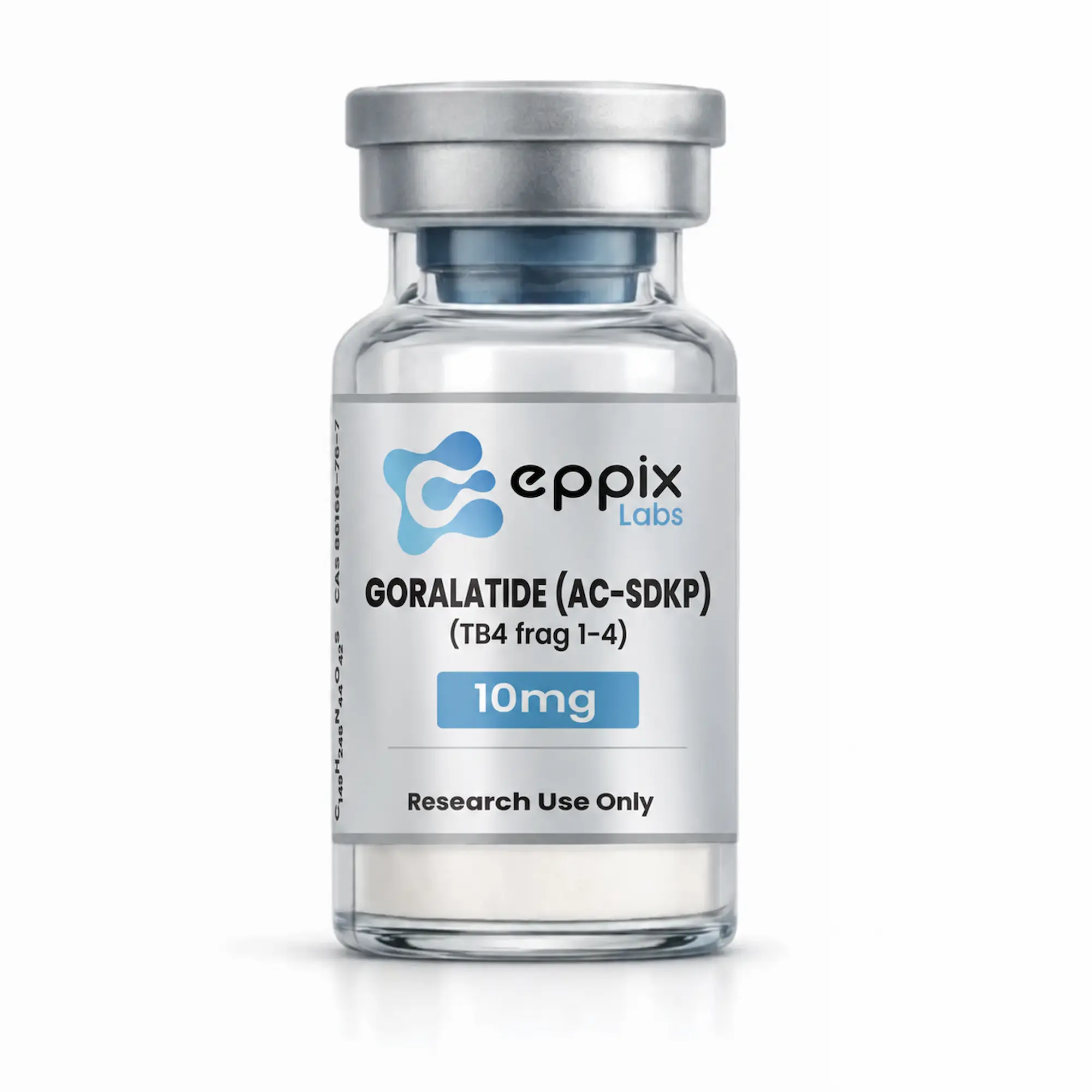
Goralatide (Ac-SDKP) is the N-terminal tetrapeptide of thymosin β4, studied in laboratory models for its interaction with fibrotic and haematopoietic signaling pathways. Investigations focus on its release from the parent Tβ4 protein by prolyl oligopeptidase, its degradation by angiotensin-converting enzyme, and its effects on collagen deposition and progenitor cell cycling in controlled experimental settings.
$64.99
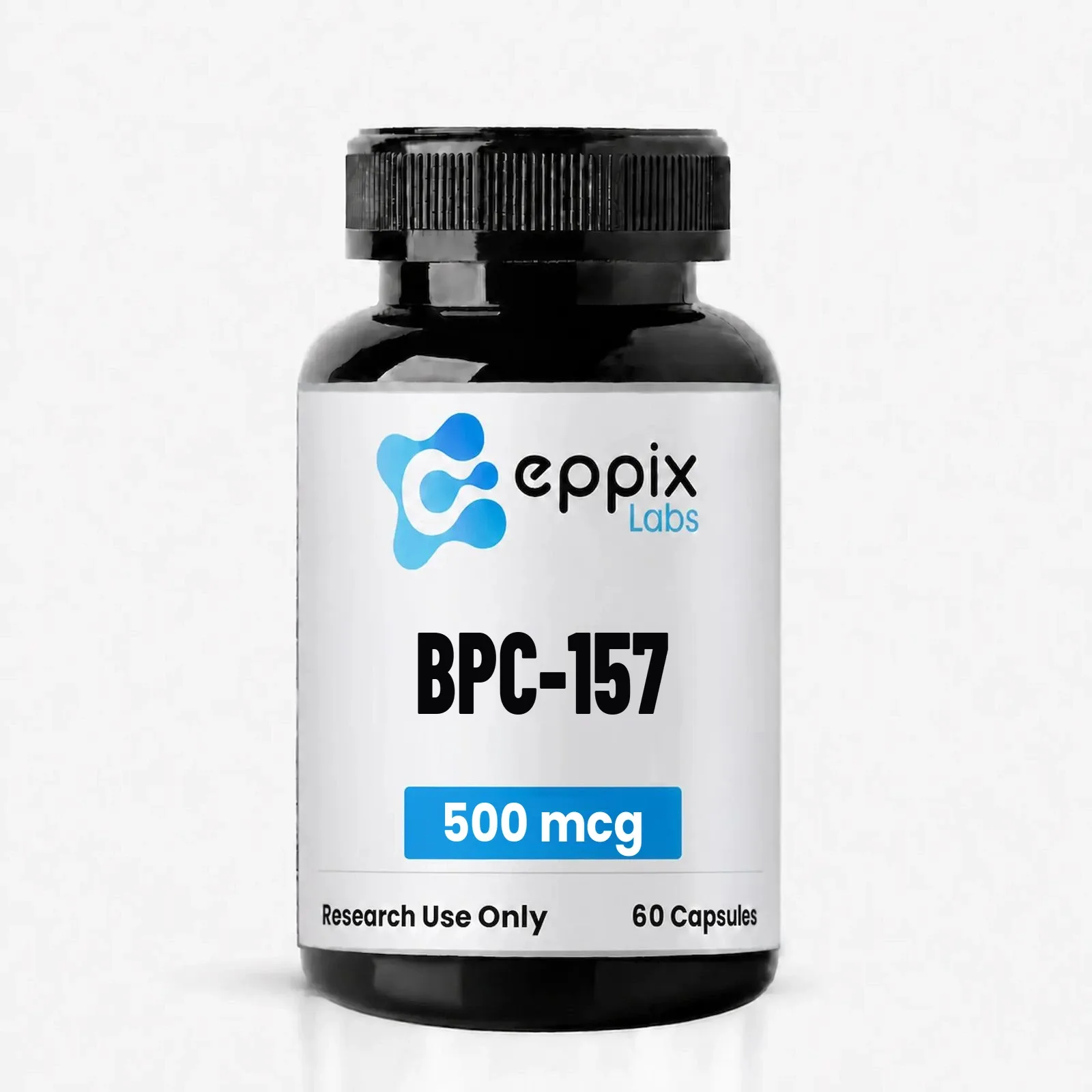
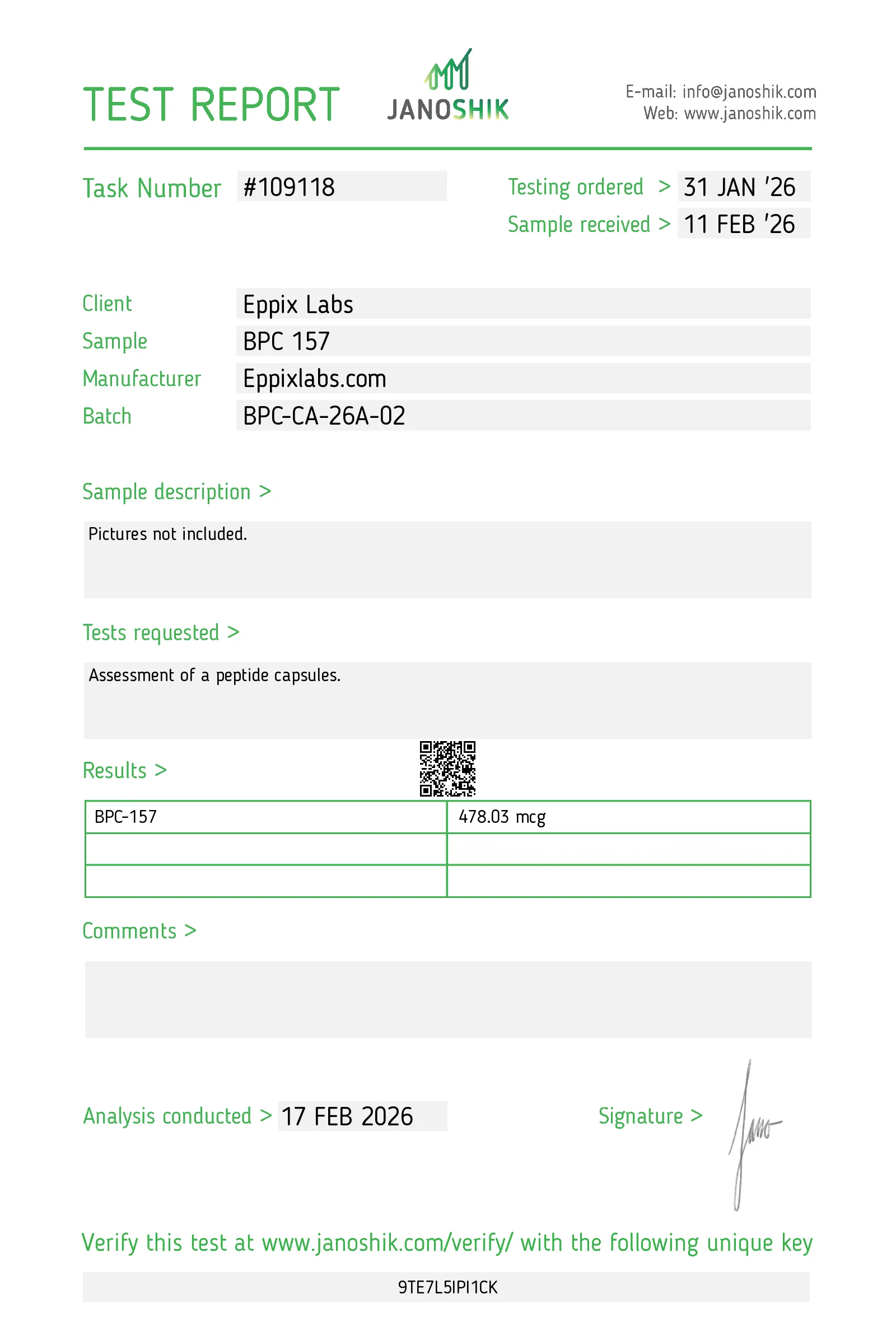
Recovery Compound BPC-157 is a synthetic peptide sequence derived from a protective gastric protein fragment. It is developed for controlled laboratory research involving cellular signaling and tissue response models.
$64.99
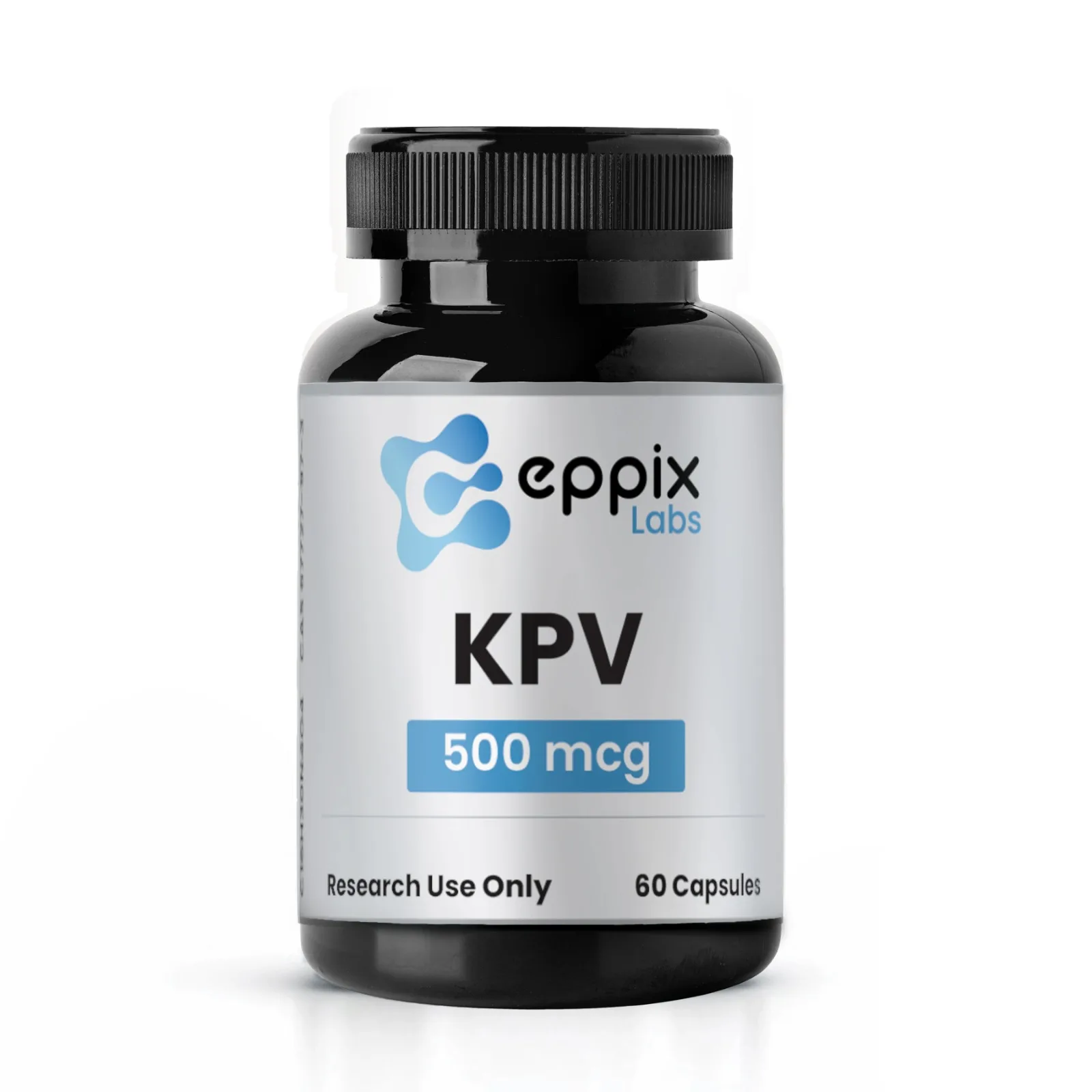
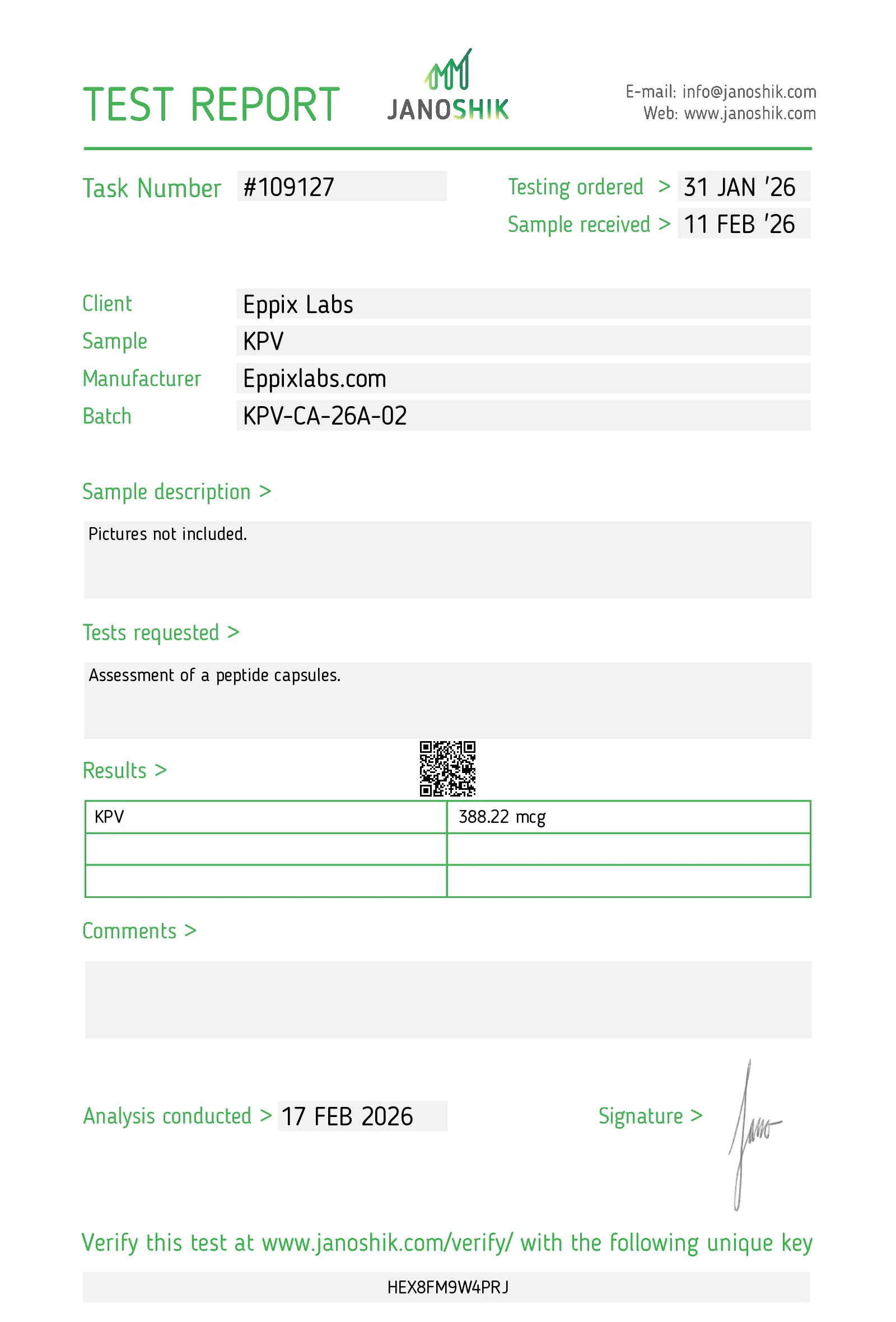
Tripeptide Research Compound KPV is a synthetic tripeptide composed of lysine–proline–valine and is derived from the C-terminal fragment of alpha-melanocyte–stimulating hormone (α-MSH). It is developed for controlled laboratory research involving peptide-mediated signaling systems.
$74.99
 20mg
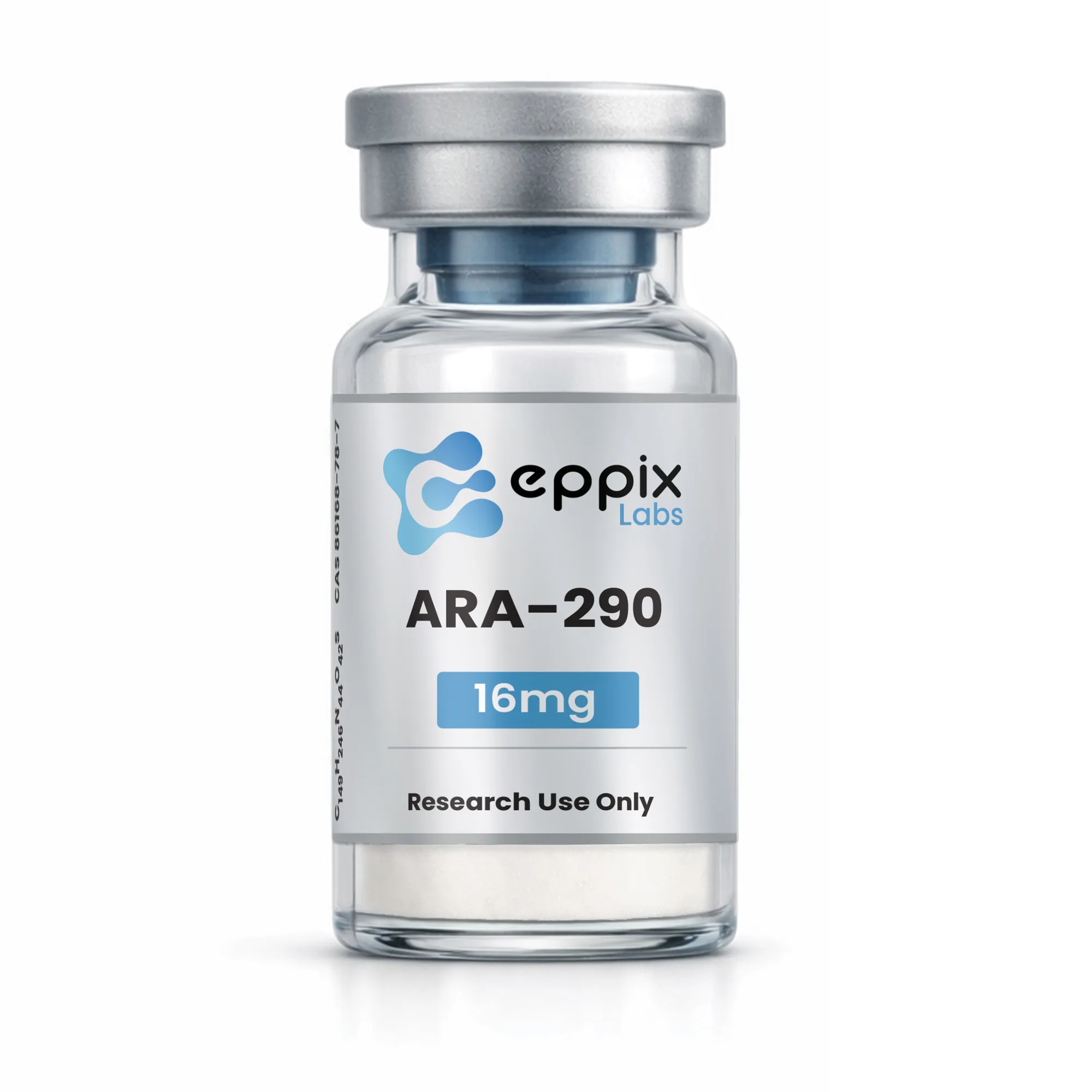
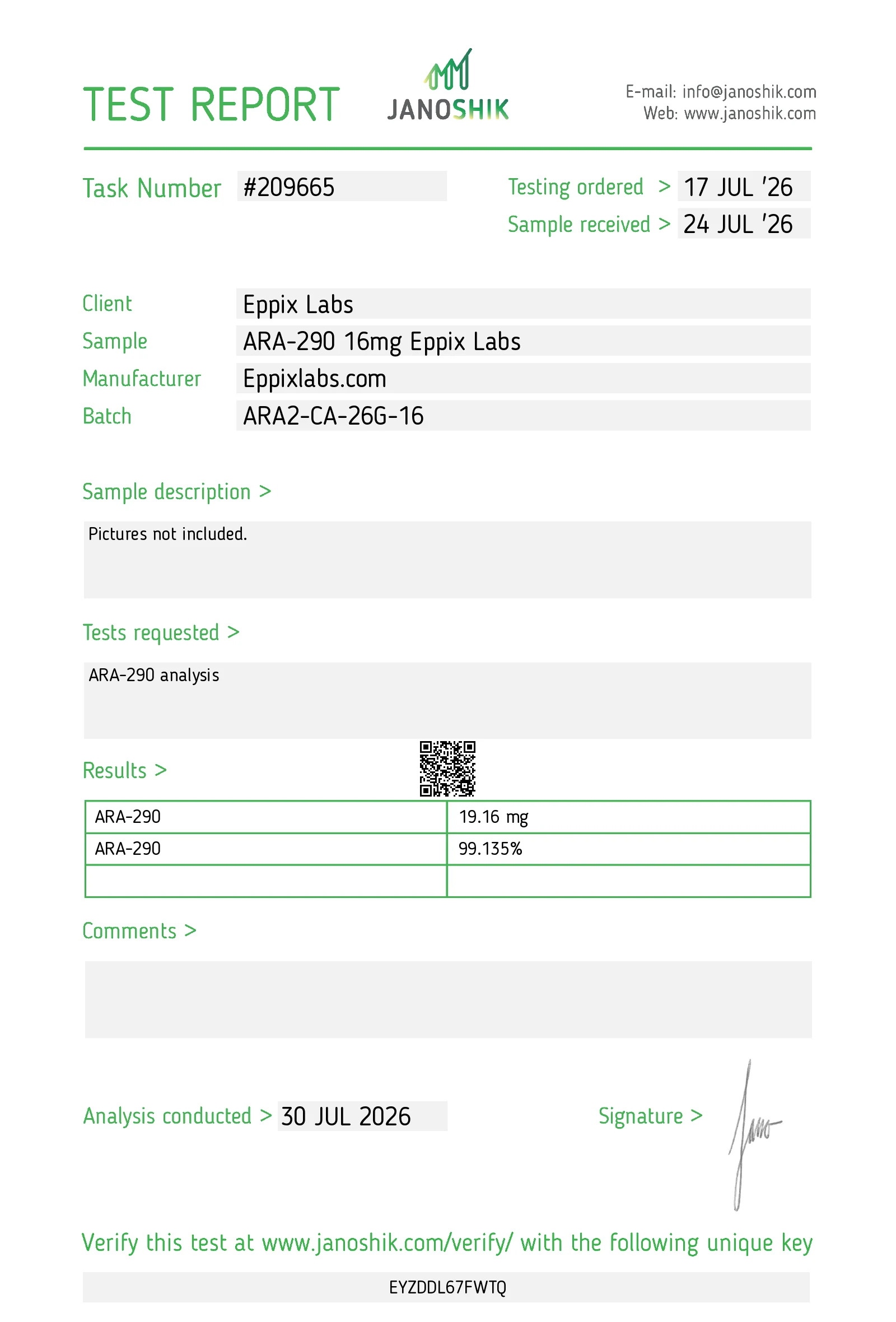
20mgNon-Erythropoietic EPO Analogue ARA-290 (cibinetide) is a synthetic 11–amino acid peptide engineered from the structure of erythropoietin, studied in research for tissue-protective signaling without erythropoietic activity.
From$64.99
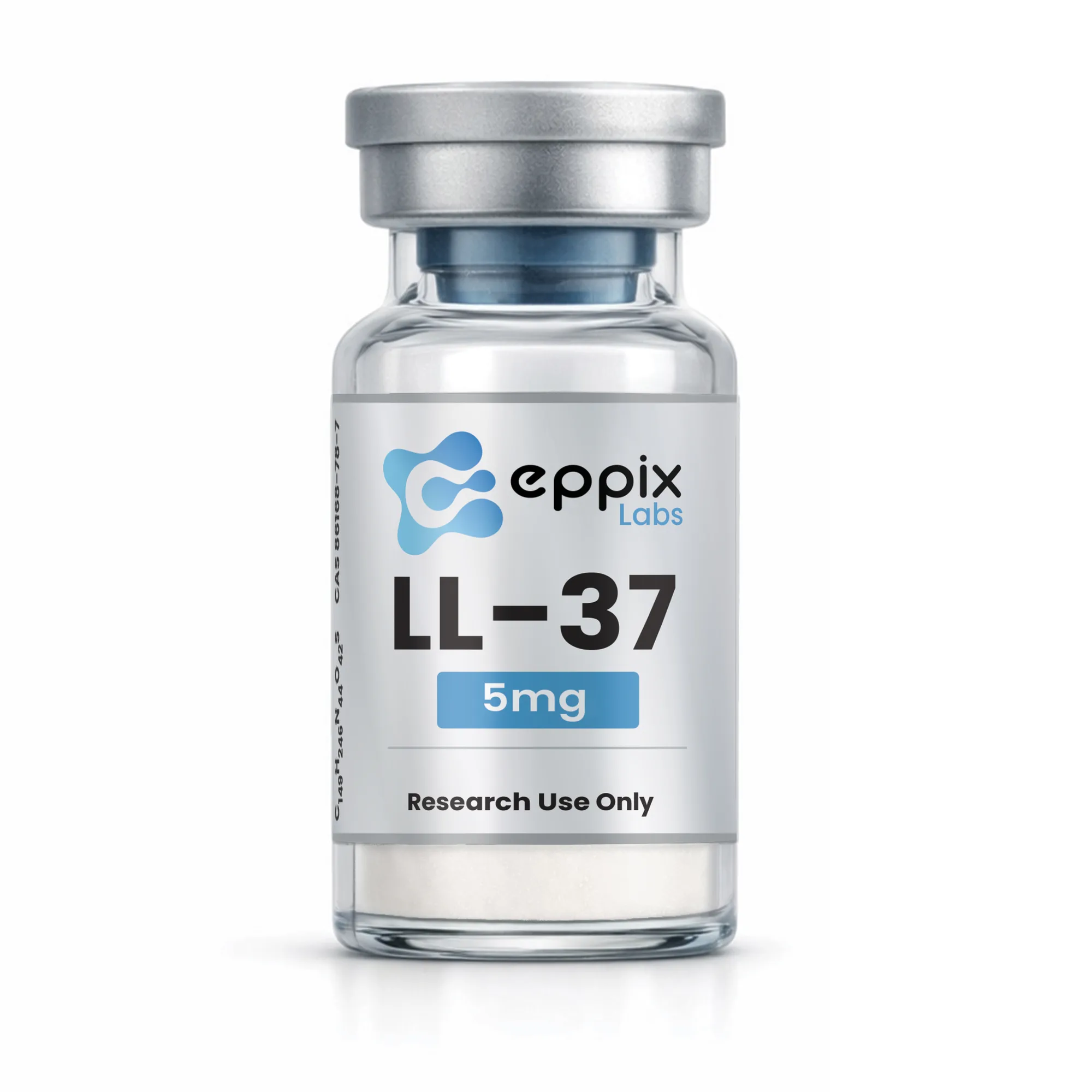
Cathelicidin Antimicrobial Peptide LL-37 is the active fragment of the human cathelicidin antimicrobial peptide, studied in research for antimicrobial and immunomodulatory activity.
From$39.99
What to check before buying tissue repair compounds
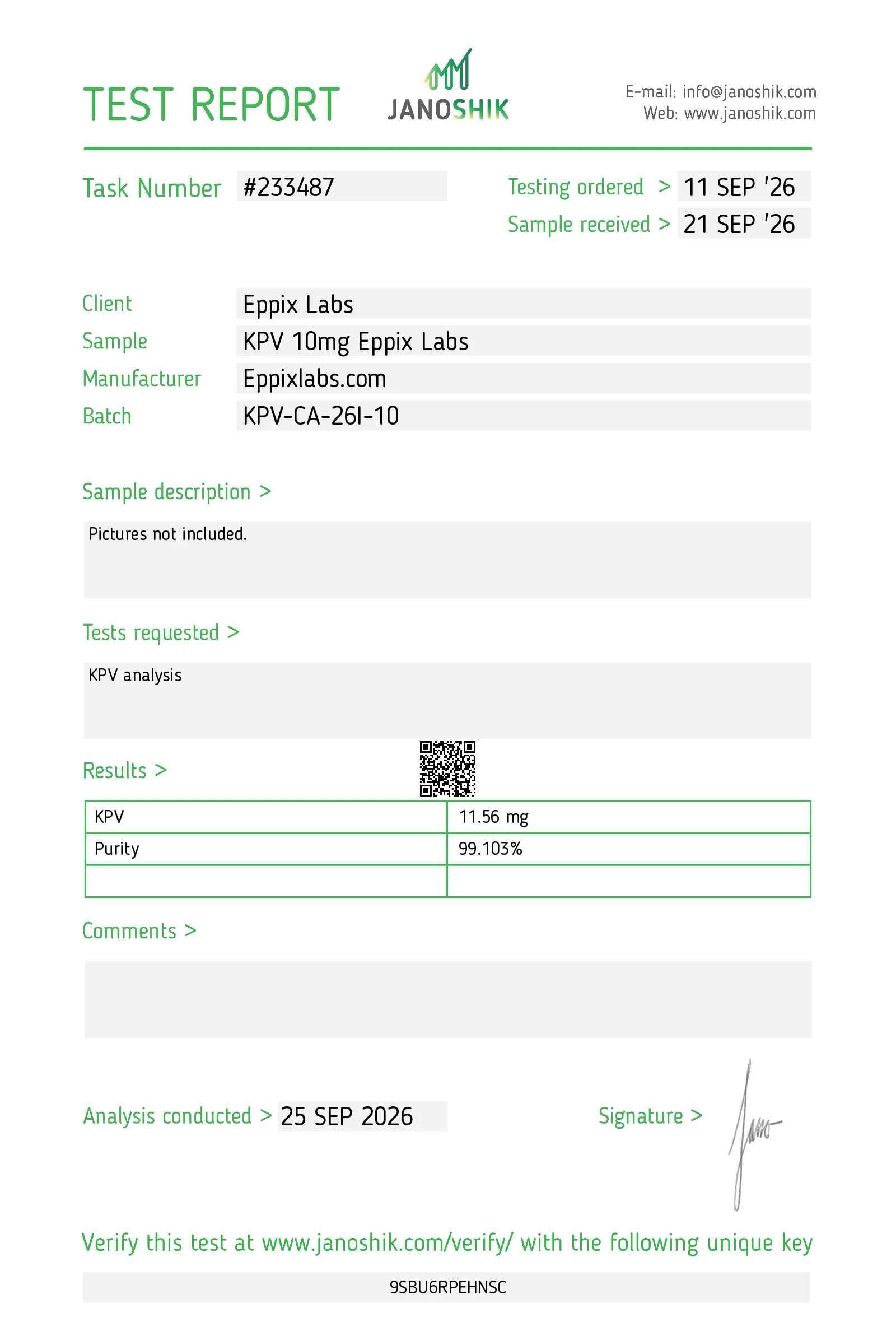
Purity is half the number. A purity figure tells you what fraction of the powder in the vial is the compound on the label — it tells you nothing about how much powder is in the vial. A lot can assay at 99.8% purity and still be short against its labelled content.
Both numbers are published for every batch here: purity from HPLC, and measured mass against expected content. Match the batch code printed on the vial to the certificate before you rely on either.
Tissue Repair research peptides — common questions
- What is BPC-157, structurally?
- A synthetic 15-amino-acid sequence derived from a protein found in gastric juice. It has no approved medicine equivalent, which means its entire evidence base is preclinical. A large share of that literature also originates from one research group, a concentration the published reviews state plainly and one worth weighing before reading volume as consensus.
- Is TB-500 the same thing as thymosin beta-4?
- No. Thymosin beta-4 is the complete 43-residue peptide; TB-500 is a synthetic fragment of it, typically the actin-binding region. Research conducted on the full peptide is not automatically research on the fragment, and the two are cited separately on the product pages for that reason.
- What makes GHK-Cu different from the other repair compounds?
- It carries a copper ion. GHK-Cu is a copper-binding tripeptide, and its literature centres on collagen and extracellular matrix remodelling rather than on the nitric-oxide and angiogenesis pathways proposed for BPC-157. The blue-green colour of the solution comes from the copper and is expected rather than a defect.
- How do I check a vial against its certificate?
- Read the lot code off the vial label and look it up. Every certificate this store publishes is issued against a lot code rather than against a product name, so one that carries no lot code says nothing about a particular unit. The batch lookup resolves a code directly to its report.